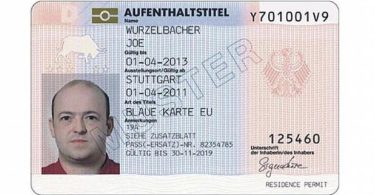

For professionals looking to work and settle legally in Europe through a structured employment route, the EU Blue Card remains one of the most reliable options. Designed to attract highly skilled workers, the program offers a clear link between a qualified job offer, regulated salary thresholds, and long-term residence prospects across participating countries in the European Union.
The appeal of the Blue Card lies in predictability. It is not a lottery, not an informal work permit, and not a temporary workaround. It is a formal residence and work authorization built on employment standards, legal protections, and social security integration.
What the EU Blue Card Represents
The EU Blue Card is a residence permit issued by individual EU member states under a common framework. It allows non-EU nationals with higher qualifications to live and work in an EU country for a specific employer and role.
Unlike short-term work visas, the Blue Card is designed with long-term settlement in mind. It supports career development, mobility within the EU over time, and family reunification under regulated conditions.
The €60,000 Salary Requirement Explained
A core requirement of the Blue Card is a minimum gross annual salary. In many EU countries, this threshold is set around €60,000, though the exact figure varies slightly depending on national regulations, sector shortages, and economic conditions.
This salary benchmark serves two purposes. First, it confirms that the role is genuinely skilled and not replacing local labor under unfair terms. Second, it ensures the applicant can support themselves and any dependents without reliance on public assistance.
Certain professions in shortage areas such as engineering, information technology, healthcare, and applied sciences may qualify with slightly lower thresholds, provided they meet national rules. However, the €60,000 level remains a common reference point for standard applications.
Who Is Eligible for the EU Blue Card
Eligibility begins with a recognized higher education qualification or an equivalent level of professional experience. Degrees must be comparable to those issued in the host EU country, and in some cases formal recognition is required.
A binding job offer or signed employment contract from an employer in an EU Blue Card–participating country is mandatory. The role must match the applicant’s qualifications and meet the minimum salary requirement.
Professional experience, while not always compulsory, significantly strengthens an application, particularly in competitive sectors. Clean immigration history, valid travel documents, and compliance with health and security checks are also required.
Mandatory Insurance Coverage
Health insurance is not optional under the EU Blue Card framework. Coverage must be in place before residence registration and employment commencement.
In most cases, Blue Card holders are enrolled in the host country’s public health insurance system once employment begins. This typically covers general medical care, hospital treatment, maternity services, and essential medications.
Where public insurance enrollment is delayed or not immediately available, approved private health insurance is required. The coverage must meet national standards and provide comprehensive medical protection.
Beyond health insurance, Blue Card holders contribute to social security systems, including pension, unemployment, and disability insurance. These contributions grant access to long-term benefits and protections under local law.
Costs Associated With the Blue Card
Application fees for the EU Blue Card are generally moderate compared to other global work visa programs. Additional costs may include qualification recognition, certified document translations, and administrative processing.
Relocation expenses such as travel, temporary housing, and rental deposits should be planned carefully. Living costs vary widely across EU countries and cities, with major urban centers typically more expensive than regional areas.
Despite these costs, the salary level associated with Blue Card roles usually allows applicants to stabilize financially within a reasonable period.
How the Application Process Works
The process begins with securing a qualifying job offer. Once the contract meets salary and role requirements, the applicant submits a Blue Card application through the relevant embassy or immigration authority.
Authorities assess qualifications, salary compliance, insurance coverage, and employment terms. Upon approval, the applicant receives a residence permit allowing legal work and residence in the issuing country.
After arrival, registration with local authorities, tax offices, and insurance providers is required. Employment can commence immediately once the residence permit is activated.
Documents Commonly Required
Applicants prepare a valid passport, signed employment contract, proof of qualifications, and evidence of professional experience. Health insurance confirmation is a key requirement at the application stage.
Additional documents may include proof of accommodation, biometric data, and official translations of academic certificates. Accuracy and consistency across documents are essential to avoid delays.
Common Mistakes to Avoid
One frequent error is accepting a job offer that appears compliant but falls short of the salary threshold when calculated annually. Gross salary figures must meet the official requirement.
Another issue is incomplete qualification recognition, particularly in regulated professions. Applying without confirming recognition status often leads to delays or refusal.
Inadequate insurance coverage is also a common problem. Policies must meet national standards, not just basic travel insurance criteria.
Legal Considerations After Approval
The EU Blue Card is initially tied to a specific employer and role. Changing employers usually requires notification or approval during the first period of residence.
Employment rights are protected under national labor laws, including working hours, paid leave, and termination rules. Understanding these rights is essential for maintaining legal status.
Practical Tips for Long-Term Success
Learning the local language improves workplace integration and opens doors to broader career opportunities. Many EU employers support language training as part of professional development.
Maintaining continuous employment and insurance coverage is critical for future residence upgrades. Keeping records of contracts, payslips, and contributions simplifies renewals and permanent residence applications.
Long-Term Benefits of the EU Blue Card
After a qualifying period of legal employment, Blue Card holders may apply for permanent residence in the host country. This status removes employer restrictions and provides stronger security.
Family members are eligible to join the Blue Card holder, with access to work and education in most cases. Over time, permanent residents may qualify for citizenship under national laws.
For many professionals, the EU Blue Card offers more than a job. It provides a stable legal framework for building a long-term career and life in Europe.
Conclusion
The EU Blue Card, with its €60,000 salary requirement and mandatory insurance coverage, represents a clear and regulated pathway for skilled professionals seeking legal employment in Europe. It balances employer demand with worker protection, offering stability, mobility, and long-term prospects. For those who meet the qualifications and standards, it remains one of the most dependable routes to professional and personal settlement in the EU.