
For professionals seeking stable income, long-term security, and a regulated work environment, Germany continues to stand out. German employers across key sectors are actively hiring international talent to fill persistent skill shortages. Many of these roles come with full visa sponsorship, competitive salaries between €55,000 and €85,000 per year, and mandatory health insurance from the first day of employment.
This opportunity is especially relevant for candidates who want a legal migration pathway tied directly to employment, rather than uncertain job searches after arrival. Germany’s work visa framework is employer-driven, transparent, and designed to support long-term residence for qualified workers and their families.
Understanding the Opportunity
Germany’s economy relies heavily on skilled professionals in engineering, healthcare, IT, construction, manufacturing, logistics, and applied sciences. As the domestic workforce ages and demand increases, employers are authorized to recruit from outside the EU when no suitable local candidates are available.
In practical terms, this means a confirmed job offer often forms the foundation of the visa application. Once approved, the work permit allows legal employment, residence, and access to social benefits under German law.
Who Qualifies for These Roles
Eligibility depends on the profession and the type of work visa, but several common criteria apply.
A recognized academic degree or vocational qualification is usually required. For regulated professions such as nursing or engineering, credential recognition in Germany is mandatory. Relevant work experience strengthens the application, particularly for roles in the higher salary range.
Basic German language skills are advantageous and sometimes required, especially in healthcare and technical roles. For many IT and engineering positions, English may be sufficient initially, with expectations to learn German over time.
A formal job offer from a German employer willing to sponsor the work permit is essential. The employer typically confirms salary, role description, and compliance with labor regulations.
Salary Expectations and What They Mean
Annual gross salaries between €55,000 and €85,000 place these roles well above the national average. Entry-level or mid-career professionals often fall near the lower end of this range, while experienced specialists and senior technical staff reach the upper band.
After taxes and social contributions, net income varies by family status and region. Even after deductions, these salaries generally support a comfortable standard of living, with the ability to save, support dependents, and plan long-term.
Health Insurance and Social Coverage
Health insurance is not optional in Germany. Every employee must be covered, and employers ensure enrollment as part of onboarding.
Most sponsored workers are enrolled in public statutory health insurance, which covers doctor visits, hospital care, maternity services, and prescriptions. In some higher-income cases, private insurance is permitted, provided it meets legal standards.
In addition to health insurance, employees contribute to pension, unemployment, disability, and accident insurance schemes. These systems provide long-term security and protection against unexpected events.
Costs to Expect Before and After Arrival
While the employer sponsors the job, certain costs remain the responsibility of the worker.
Visa application fees are modest compared to other destinations. Credential recognition or professional licensing may involve additional fees, depending on the occupation.
Relocation costs include travel, initial accommodation, and deposits for long-term housing. Germany typically requires a rental security deposit equal to two or three months’ rent.
Living costs vary by city. Major cities such as Munich or Frankfurt are more expensive, while smaller cities and industrial regions offer more affordable housing without sacrificing job quality.
Step-by-Step Application Process
The process usually begins with securing a job offer from a German employer. Once the contract is issued, qualification recognition is initiated if required.
The employer provides documentation supporting the role and salary. The applicant then submits a work visa or EU Blue Card application at the appropriate German consulate.
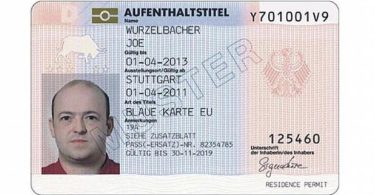
After approval, the worker enters Germany, registers residence, enrolls in health insurance, and collects the residence permit. Employment can begin immediately upon permit activation.
Documents Commonly Required
Applicants typically prepare a valid passport, signed employment contract, proof of qualifications, professional recognition where applicable, and a detailed CV.
Health insurance confirmation, proof of accommodation, and biometric data are also required during the final stages. Accuracy and consistency across documents are critical.
Common Mistakes That Delay Approval
Incomplete qualification recognition is a frequent issue, particularly in regulated professions. Submitting unofficial translations or unverified documents can lead to delays.
Another mistake is underestimating language requirements. Even when not mandatory for the visa, insufficient German skills can affect employer confidence and integration.
Applying with a job offer that does not meet minimum salary thresholds can also result in rejection, especially for Blue Card applications.
Legal and Compliance Considerations
German work permits are tied to the specific employer and role during the initial period. Changing employers requires notification and, in some cases, approval.
Employment contracts are protected under German labor law, including working hours, paid leave, and termination rules. Understanding these rights helps avoid exploitation and ensures compliance.
Practical Tips for Long-Term Success
Learning German early improves workplace integration and expands career options. Many employers support language training as part of employment benefits.
Choosing housing close to public transport reduces living costs and commuting stress. Registering promptly with local authorities prevents administrative complications.
Building professional networks within Germany accelerates career growth and opens pathways to higher-paying roles.
Long-Term Benefits Beyond the Job
After a defined period of legal employment, work permit holders can qualify for permanent residence. This status offers unrestricted access to the labor market and enhanced social benefits.
Family reunification is permitted, allowing spouses and children to live, work, and study in Germany. Over time, permanent residents may become eligible for citizenship, subject to legal requirements.
For many professionals, this pathway provides not only immediate income but also long-term stability, career progression, and a secure future in one of Europe’s strongest economies.
Conclusion
Germany’s visa sponsorship jobs paying €55,000–€85,000 with full health insurance represent a structured and lawful route to international employment. With clear eligibility rules, strong worker protections, and long-term residency options, this pathway rewards preparation, professionalism, and commitment. For those ready to meet the standards, it offers a sustainable career and a stable life built on legal employment.