
Let me share this with you: If you’re looking for real opportunities to work or study abroad, you’re in the right place.
Migrating to Germany as a skilled worker through a sponsored job visa can be an excellent opportunity to enhance your career while living in one of Europe’s most vibrant economies. This guide provides a detailed, step-by-step process to secure a job with sponsorship and successfully migrate to Germany in 2026.
Step 1: Determine Your Eligibility
Germany requires skilled workers to meet specific criteria for job visa sponsorship. Ensure you meet the following requirements:
- A recognized qualification or degree equivalent to German standards.
- Relevant work experience in your field.
- Proficiency in German (optional but recommended, at least B1 level).
Helpful Links:
Step 2: Identify In-Demand Occupations
Germany actively seeks skilled workers in high-demand industries, including:
- Healthcare: Doctors, nurses, caregivers.
- IT & Engineering: Software developers, mechanical engineers, electrical engineers.
- Skilled Trades: Plumbers, electricians, construction workers.
Helpful Links:
Step 3: Search for Jobs with Visa Sponsorship
Utilize job portals that specialize in visa-sponsored jobs for skilled workers:
Step 4: Apply for Jobs
Tailor your resume (CV) and cover letter to meet German standards. Highlight your qualifications, work experience, and willingness to relocate.
Tips:
- Use a Europass CV format.
- Provide references and certificates.
Step 5: Secure a Job Offer
Once you receive a job offer, ensure the employer provides you with the necessary documentation for visa sponsorship, such as:
- A signed job contract.
- Proof that the job fulfills Germany’s requirements for foreign workers.
Step 6: Apply for a Job Seeker Visa (Optional)
If you haven’t secured a job yet, apply for a Job Seeker Visa, which allows you to stay in Germany for up to six months to find employment.
Requirements for Job Seeker Visa:
- Proof of funds to cover your stay.
- Degree recognition certificate.
Helpful Links:
Step 7: Apply for a Work Visa or EU Blue Card
Once you have a job offer, apply for one of the following visas:
- Work Visa: For skilled workers in non-EU countries.
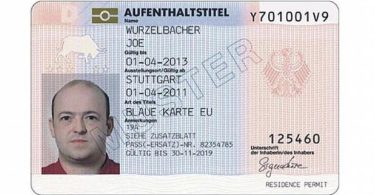
- EU Blue Card: For highly skilled professionals with an annual salary of at least €56,400 (or €43,992 in shortage occupations).
Documents Required:
- Job offer or contract.
- Valid passport.
- Proof of qualification (degree or diploma).
- Health insurance coverage.
- Proof of language proficiency (if required).
Helpful Links:
Step 8: Attend the Visa Interview
Schedule an appointment with the German Embassy or Consulate in your country. During the interview, provide all necessary documents and answer questions about your job, qualifications, and plans in Germany.
Helpful Links:
Step 9: Relocate to Germany
Once your visa is approved, make arrangements for your move. Key steps include:
- Finding accommodation in Germany.
- Registering your address (Anmeldung) within two weeks of arrival.
- Opening a German bank account.
Step 10: Start Your New Job and Apply for Residency
After settling in, begin your new job and apply for a residence permit at the local immigration office. This permit allows you to stay and work in Germany for the duration of your job contract.
FAQs
1. How long does it take to get a German work visa?
Processing times vary but typically range from 4 to 12 weeks.
2. Can I bring my family with me?
Yes, Germany allows family reunification for visa holders. Your spouse and children can apply for visas to join you.
3. Do I need to know German to work in Germany?
While not always mandatory, proficiency in German improves your chances of employment and helps with integration.
Key Takeaways
- Germany offers excellent opportunities for skilled workers in healthcare, IT, and engineering.
- Utilize job portals like Make It in Germany and EURES to find visa-sponsored jobs.
- The EU Blue Card is a fast-track option for highly skilled professionals.
- Ensure you meet all visa requirements, including a valid job offer and recognized qualifications.
Conclusion
Migrating to Germany with a sponsored job visa in 2026 is achievable with the right approach and preparation. By following these steps and leveraging the resources provided, you can secure a promising career in one of Europe’s most sought-after destinations.
Disclaimer
For more information on policies, please refer to our Privacy Policy, Disclaimer, and Terms of Use.
Things you can find here: Driving and Mechanic Jobs in the USA and Canada: Opportunities, Requirements, Visa Types, and Application Process, Saudi Arabia New Work Visa Reforms: Opportunities for Migrants in 2026, Austria Red-White-Red Card: Best Route for Non-EU Skilled Workers, Migrating to Vietnam: Work Opportunities, Visa Types, Sponsorship, and Life in Vietnam, Best Travel Insurance Plans for Schengen, UK, and Canada Visas (2026 Comparison).
Pro Tip: For the best visa sponsorship jobs and insurance options for immigrants, explore our Visa Sponsorship section and Insurance category.
Written by our team of international travel and visa experts based in Canada. Read more helpful guides like this here.